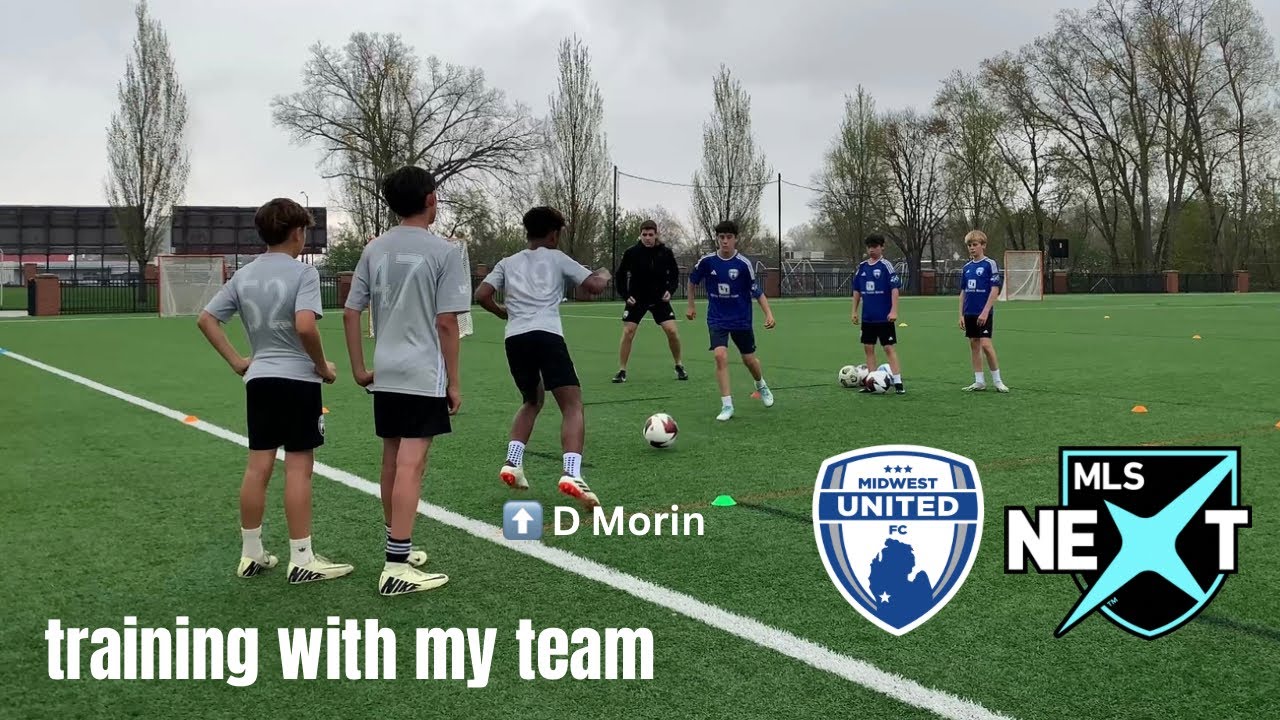
The Canadian Soccer Player's Guide to NCAA Recruitment
The Canadian Soccer Player's Guide to NCAA Recruitment: From OPDL to Division I
Canadian soccer players pursuing NCAA opportunities face unique challenges and advantages compared to their American counterparts. Understanding the pathway from Ontario Player Development League (OPDL) and other Canadian high-performance programs to NCAA Division I, II, and III soccer requires knowledge of eligibility requirements, recruiting timelines, and strategic positioning. This guide provides Canadian athletes and their families with comprehensive insights into navigating the cross-border recruitment process successfully.
The Canadian Youth Soccer Landscape
Canada's youth soccer development system has evolved significantly over the past decade, creating clearer pathways for players aspiring to compete at elite levels. The Ontario Player Development League stands as the province's premier high-performance platform, serving as the highest level of competitive youth soccer in Ontario[1]. Launched in 2014, OPDL operates as a standards-based program that combines elite competition with rigorous training requirements, targeting the top male and female players from U13 to U17 age categories.
OPDL's structure emphasizes Long Term Player Development (LTPD) principles, ensuring that players receive age-appropriate training that optimizes their physical, technical, tactical, and psychological growth[1]. Unlike traditional leagues that focus primarily on competition, OPDL requires licensed clubs to meet specific training standards, coach education requirements, and player development benchmarks. This comprehensive approach prepares athletes not only for success on the field but also for the demands of collegiate athletics.
Beyond OPDL, Canadian players may participate in other high-performance environments, including provincial teams, national youth squads, and cross-border opportunities with American clubs in MLS Next or ECNL. Some Canadian families relocate to the United States specifically to access these platforms, recognizing the increased visibility and exposure they provide to NCAA coaches. However, remaining in Canada while pursuing NCAA opportunities is entirely viable with proper planning and strategic execution.
NCAA Eligibility for Canadian Students
Canadian student-athletes must navigate the same NCAA Eligibility Center process as American students, but with additional considerations related to international transcripts and course equivalencies. The NCAA Eligibility Center serves as the clearinghouse for certifying whether prospective college athletes meet academic standards to compete at Division I or II institutions[2]. Canadian athletes should register with the Eligibility Center during their junior year of high school, allowing sufficient time to address any potential issues before senior year.
The NCAA requires Division I athletes to complete sixteen core courses during high school, including four years of English, three years of mathematics at the Algebra I level or higher, two years of natural or physical science, one additional year of English, math, or science, two years of social science, and four years of additional core courses[3]. Canadian high school curricula generally align well with these requirements, but athletes and their families should verify that specific courses qualify as NCAA core courses.
One critical consideration for Canadian students is transcript evaluation. The NCAA requires international transcripts to be evaluated by an approved credential evaluation service to ensure course content and grading standards align with American equivalents. This process can take several weeks, so early submission is essential. Some Canadian provinces and schools have established relationships with the NCAA that streamline this process, but athletes should not assume automatic approval.
Standardized testing presents another area where Canadian students must plan carefully. The NCAA accepts SAT and ACT scores as part of its sliding scale for academic eligibility. Canadian students should register for these tests early, as testing centers in Canada may be less accessible than in the United States. The sliding scale balances GPA and test scores, meaning stronger performance in one area can offset weaker performance in the other. Canadian students should aim to exceed minimum requirements to strengthen their recruiting profiles.
| Requirement | Division I | Division II | Division III |
|---|---|---|---|
| Core Courses | 16 courses | 16 courses | No specific NCAA requirement |
| Minimum GPA | 2.2 | 2.0 | Varies by institution |
| Standardized Tests | Required (SAT/ACT) | Required (SAT/ACT) | Optional at most schools |
| Transcript Evaluation | Required for international students | Required for international students | Varies by institution |
The Recruiting Timeline for Canadian Players
The NCAA recruiting timeline applies equally to Canadian and American athletes, but Canadian players often face additional challenges related to visibility and exposure. Division I men's soccer coaches can begin off-campus contact with prospects on June 15 after their sophomore year of high school[4]. Before this date, athletes can initiate contact with coaches, but coaches cannot respond beyond providing general program information.
Canadian players should begin the recruiting process earlier than this official contact date. Freshman and sophomore years are ideal for building a recruiting profile, creating highlight videos, and identifying target schools. Because Canadian players may be less visible to American coaches than domestic prospects, proactive outreach becomes even more critical. Athletes should research programs thoroughly, identify schools that align with their academic and athletic goals, and initiate communication with coaching staffs.
Attending showcase tournaments and college camps in the United States provides invaluable exposure opportunities for Canadian players. Events like ECNL National Showcases, MLS Next Flex tournaments, and college ID camps attract hundreds of coaches and create concentrated recruiting environments. While these events require travel and financial investment, they offer Canadian players the chance to compete directly against American prospects and demonstrate their abilities to coaches who might not otherwise see them play.
Official and unofficial campus visits become available on August 1 of an athlete's junior year[5]. Canadian families should plan these visits strategically, combining multiple campus tours during single trips to the United States to maximize efficiency and minimize costs. Official visits are limited to five total across all sports and are paid for by the university, while unofficial visits are unlimited but paid for by the family. Both types of visits provide crucial opportunities to evaluate programs, meet coaching staffs, and experience campus culture.
Overcoming Visibility Challenges
Canadian players face a fundamental visibility challenge: American coaches recruit primarily from familiar environments where they have established networks and can evaluate players repeatedly. OPDL, while highly competitive, does not attract the same volume of American college coaches as MLS Next or ECNL events. Canadian players must therefore be more proactive and strategic in ensuring coaches become aware of their abilities.
Creating a professional highlight video is essential for Canadian players seeking NCAA opportunities. The video serves as a calling card that allows coaches to evaluate talent without traveling to Canada. The highlight reel should be two to three minutes long, feature 15 to 30 of the athlete's best plays, and begin with spectacular moments that immediately capture attention[6]. Canadian players should ensure their videos include footage from high-level competitions, such as OPDL playoffs, provincial team matches, or showcase tournaments, to demonstrate they can perform against elite opponents.
Leveraging recruiting platforms like NCSA, SportsRecruits, or Trace iD helps Canadian players increase their visibility to American coaches. These platforms allow athletes to create comprehensive profiles that include highlight videos, statistics, academic information, and upcoming tournament schedules. Coaches actively search these databases for prospects, and a well-maintained profile can generate interest from programs that might not otherwise discover a Canadian player.
Social media has become an increasingly important recruiting tool, particularly Twitter and Instagram. Canadian players should create professional accounts dedicated to their recruiting journey, posting highlight clips, training videos, and updates about achievements. Tagging programs of interest and using relevant hashtags like #CollegeSoccerRecruiting, #ClassOf2029, or #NCAARecruiting can increase visibility. While social media should supplement rather than replace traditional recruiting methods, it provides an additional channel for coaches to discover and evaluate prospects.
Strategic Communication with Coaches
Effective communication with college coaches requires professionalism, persistence, and personalization. Canadian players should research programs thoroughly before reaching out, demonstrating genuine interest in specific aspects of each school. Generic mass emails rarely generate responses, while thoughtful messages that reference the program's playing style, recent achievements, or academic offerings stand out.
Initial contact emails should be concise and include essential information: name, graduation year, position, height, weight, club team, academic achievements, and a link to the highlight video. Canadian players should mention their OPDL experience and any provincial or national team involvement, as these credentials signal high-level competition. The email should express specific interest in the program and request information about recruiting needs and evaluation opportunities.
Following up is critical, as coaches receive hundreds of emails during recruiting periods. If a coach does not respond within one to two weeks, a polite follow-up message demonstrates genuine interest without being pushy. Canadian players should provide updates about upcoming tournaments in the United States where coaches could watch them play, making it easier for coaches to evaluate them in person.
When coaches express interest, Canadian players should respond promptly and professionally, providing any additional information requested. This might include academic transcripts, additional game footage, references from club coaches, or details about upcoming travel to the United States. Maintaining consistent communication throughout the recruiting process keeps Canadian players on coaches' radars and demonstrates serious commitment to their programs.
Financial Considerations and Scholarship Opportunities
The financial aspect of NCAA recruitment is particularly important for Canadian families, as attending an American university involves tuition, room and board, travel costs, and currency exchange considerations. Understanding scholarship opportunities and financial aid options helps families make informed decisions about which programs are financially viable.
Division I programs offer full and partial athletic scholarships, with men's soccer programs allowed 9.9 scholarships to distribute among their rosters[7]. Because this number is less than a full roster, most Division I players receive partial scholarships that cover a portion of their expenses. Canadian players should discuss scholarship expectations openly with coaches during the recruiting process, understanding that initial offers may be starting points for negotiation.
Division II programs also offer athletic scholarships, though typically with smaller budgets than Division I. Division III programs do not offer athletic scholarships but may provide generous academic merit aid and need-based financial assistance. Canadian families should complete the Free Application for Federal Student Aid (FAFSA) and the CSS Profile, as some American universities extend need-based aid to international students.
The currency exchange rate between Canadian and American dollars can significantly impact the actual cost of attendance. Families should factor this into their financial planning, recognizing that exchange rate fluctuations can increase or decrease expenses over the course of a four-year degree. Some Canadian families explore options like Registered Education Savings Plans (RESPs) that can be used for American universities, providing tax advantages for education savings.
Academic Preparation and Dual Focus
Successful Canadian student-athletes maintain a dual focus on athletic and academic excellence throughout high school. NCAA eligibility requirements set minimum standards, but competitive programs seek recruits who exceed these minimums and demonstrate the academic capability to succeed in rigorous college coursework.
Canadian high schools vary in their academic rigor and course offerings, so students should work with guidance counselors to ensure they are taking courses that meet NCAA core course requirements and prepare them for college-level work. Advanced Placement (AP) courses, International Baccalaureate (IB) programs, and honors classes signal academic ambition and capability to college admissions offices.
Standardized test preparation should begin early, ideally during sophomore year. Canadian students may be less familiar with SAT and ACT formats than American students, so dedicated preparation through practice tests, prep courses, or tutoring can significantly improve scores. Strong standardized test scores not only satisfy NCAA eligibility requirements but also strengthen applications for academic merit scholarships.
Balancing athletic training with academic responsibilities requires discipline and time management. Canadian student-athletes should develop strong study habits, seek academic support when needed, and communicate with teachers about their athletic commitments. Demonstrating this balance during high school prepares athletes for the demands of college, where they will juggle rigorous academic schedules with 20-hour weekly athletic commitments.
Making the Final Decision
When Canadian players receive interest from multiple NCAA programs, making the final decision requires careful evaluation of athletic, academic, financial, and personal factors. The right program offers not just competitive soccer but also academic programs aligned with career goals, a campus culture that feels comfortable, and a coaching staff that invests in player development.
Canadian players should consider the program's competitive level and playing time opportunities. Starting immediately as a freshman is rare at top Division I programs, but Canadian players should assess whether they have a realistic path to significant playing time within their first two years. Some players thrive in Division II or III environments where they can contribute immediately and develop leadership roles, rather than sitting on the bench at a higher-profile Division I program.
Academic fit matters immensely, as student-athletes spend far more time in classrooms than on soccer fields. Canadian players should research academic programs, graduation rates, career services, and internship opportunities. The value of an American college degree extends beyond four years of soccer, shaping career trajectories and professional networks for decades.
Distance from home and ease of travel should factor into the decision, particularly for Canadian families. Programs in border states like New York, Michigan, or Washington offer easier access for family visits than schools in the South or West Coast. Some Canadian players prefer programs with other Canadian teammates, creating built-in support networks and cultural familiarity.
The Pathway Forward
Canadian soccer players possess unique advantages in NCAA recruitment, including experience in high-performance environments like OPDL, exposure to diverse playing styles, and often strong academic preparation. By understanding NCAA eligibility requirements, navigating the recruiting timeline strategically, overcoming visibility challenges, and maintaining dual focus on athletics and academics, Canadian players can successfully transition from OPDL to NCAA soccer.
The journey requires dedication, persistence, and proactive planning, but the rewards—athletic competition at elite levels, world-class education, and life-changing experiences—make the effort worthwhile. Canadian players who approach the process with professionalism and strategic thinking position themselves for success in the competitive landscape of American college soccer.
References
[1]: Ontario Player Development League (OPDL) - Ontario Soccer
[2]: NCAA Eligibility Requirements for Student-Athletes - NCSA Sports
[3]: NCAA Eligibility FAQs - College Board
[4]: 2025–26 NCAA Men's Soccer Recruiting Rules and Calendar - NCSA Sports
[5]: Important NCAA Recruiting Dates - Herndon Youth Soccer
[6]: 6 Tips for Creating Soccer Highlight Videos for College Recruiters - TraceUp
[7]: NCAA Division I Men's Soccer Scholarships - NCSA Sports